Apollo Tunnel
AI-powered tunnel condition assessment and automated defect detection
The Gap
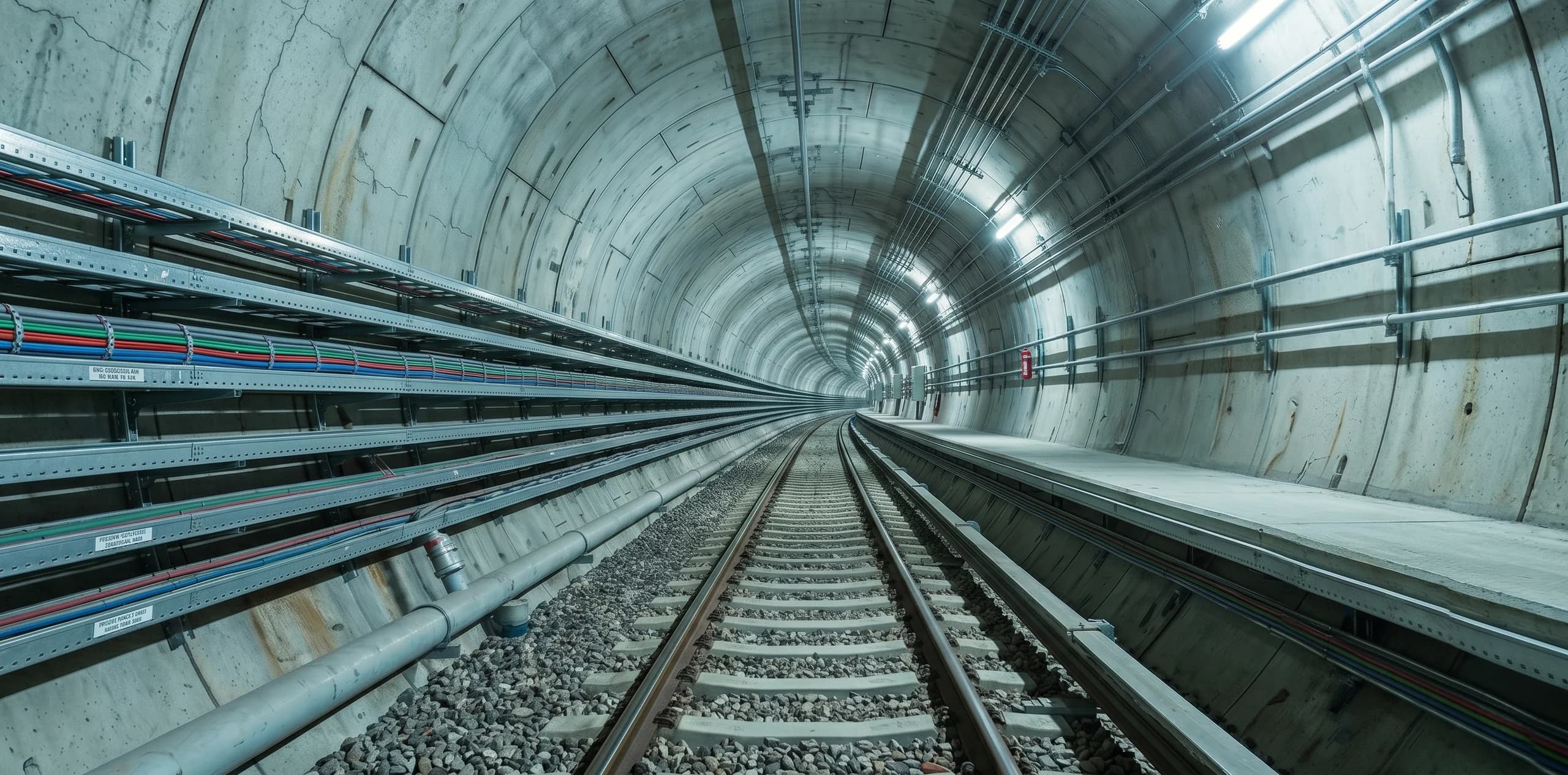
Aging tunnels such as the Detroit-Windsor Tunnel face concrete deterioration, water infiltration, deformation, corrosion, poor lighting, high humidity, and vehicle emissions behind steel walls. Manual inspections are labour-intensive, slow, subjective, and can expose inspectors to hazardous environments while critical defects may still go undetected.
Apollo Tunnel is a non-invasive automated tunnel inspection and monitoring framework using vehicle-mounted LiDAR, cameras, thermal sensors, and GPR. It detects cracks, spalling, leakage, deformation, convergence, and localized rebar issues, then digitizes inspection data for visualization, trend analysis, automated reporting, and maintenance planning.
AI-Powered Tunnel Intelligence
Turn inspection imagery and sensor data into localized defects, condition trends, and maintenance-ready outputs.

Maintenance Planning Support
Tracks infrastructure changes over time to identify areas requiring maintenance attention before failures occur

Precise Defect Detection
Combines computer vision, object detection, and LLMs to assess tunnel health, defects, and deterioration patterns

Multi-Sensor Data Integration
Integrates LiDAR, cameras, thermal imaging, GPR, and other sensing inputs to support comprehensive tunnel assessment

Real-Time Collaboration
Connects field inspection and engineering teams to reduce review cycles and iteration time

Centralized Digital Reporting
Creates structured outputs for digital twin development, asset monitoring, and scenario analysis

Extended Asset Lifespan
Generates clear, structured insights to support faster prioritization and intervention
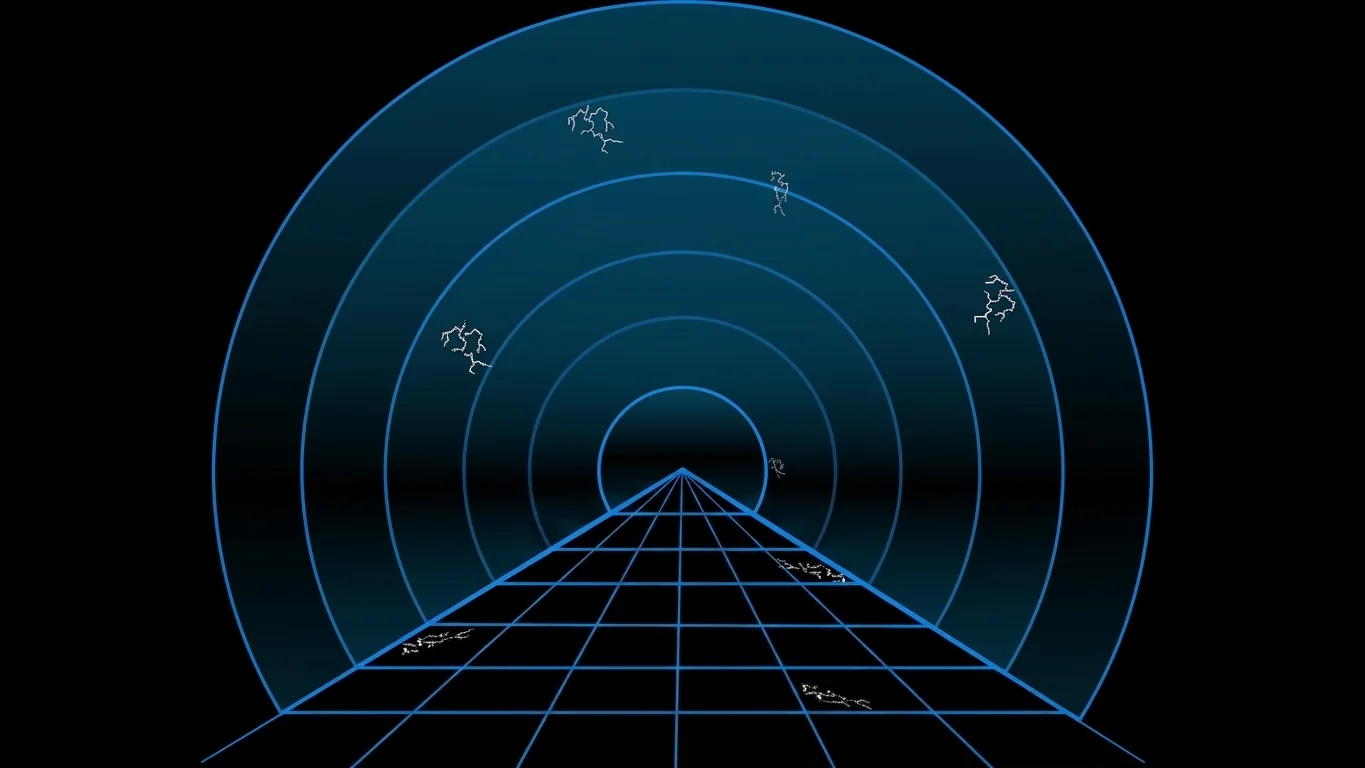
Built for Scalable Tunnel Inspection Intelligence
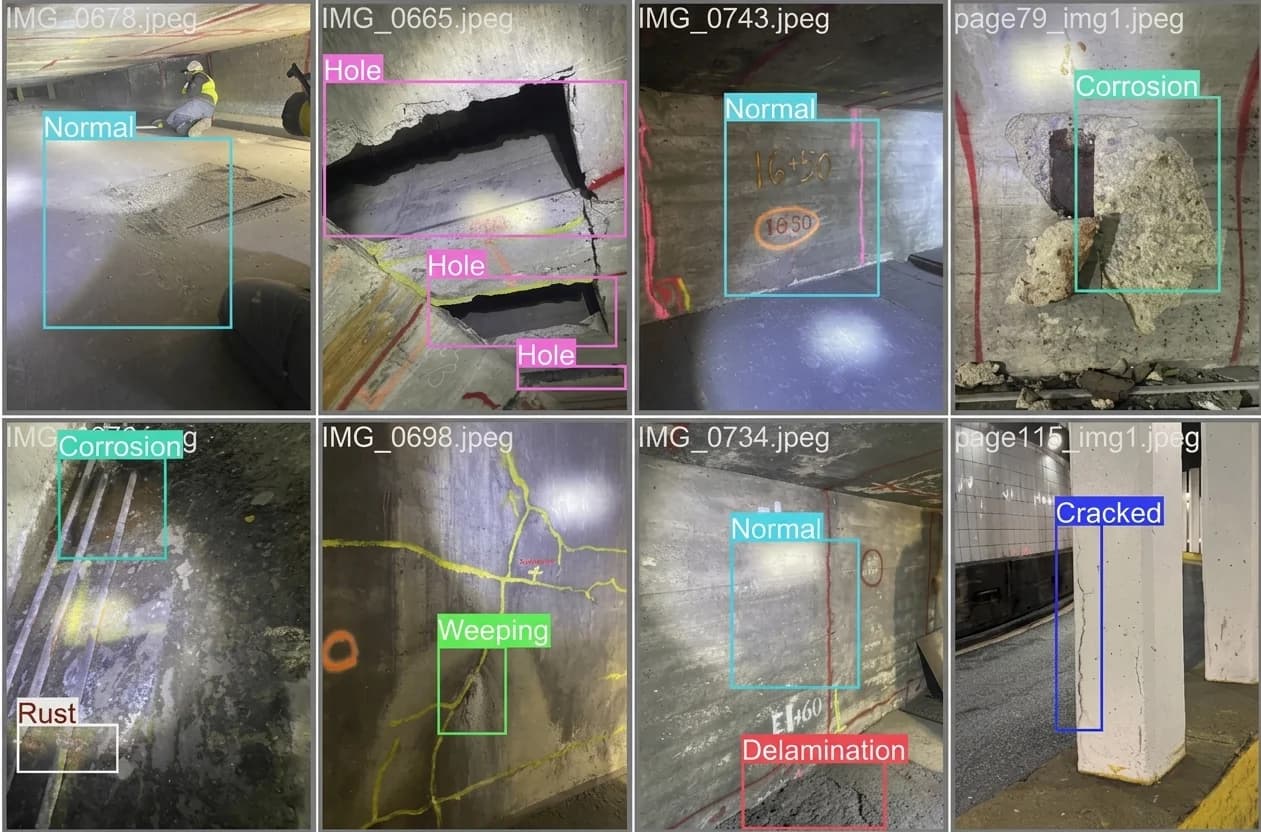
Review classified defects across tunnel surfaces with consistent visual evidence that supports repeatable condition assessment at network scale.
How it works
How Apollo Tunnel Works
- 1
Ingest inspection imagery from existing tunnel inspection workflows and datasets.
- 2
Analyze images using computer vision to identify structural components and assess condition.
- 3
Detect and classify defects using AI models across issues like cracks, corrosion, and delamination.
- 4
Generate structured insights with clear descriptions to support maintenance and reporting.
Tunnel Data Input
High-resolution images of walls, ceilings, beams, and structural elements

Computer Vision Analysis
Component classification and condition scoring across tunnel surfaces
Localization & Defect Detection
Detection of cracks, corrosion, delamination and staining with precise positioning

Inspection Report
Defect logs with severity, classifications, and prioritized maintenance recommendations
Types of Defects We Inspect & Monitor
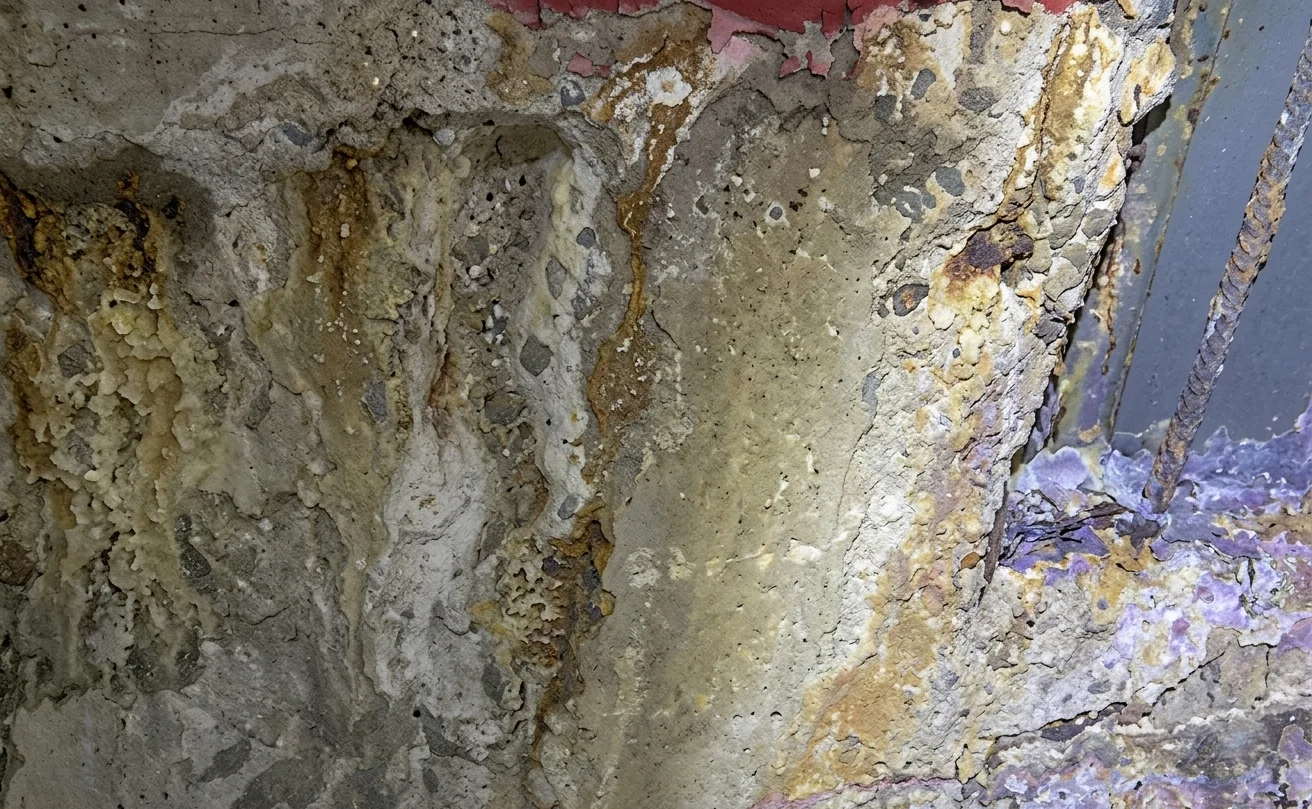
Corrosion
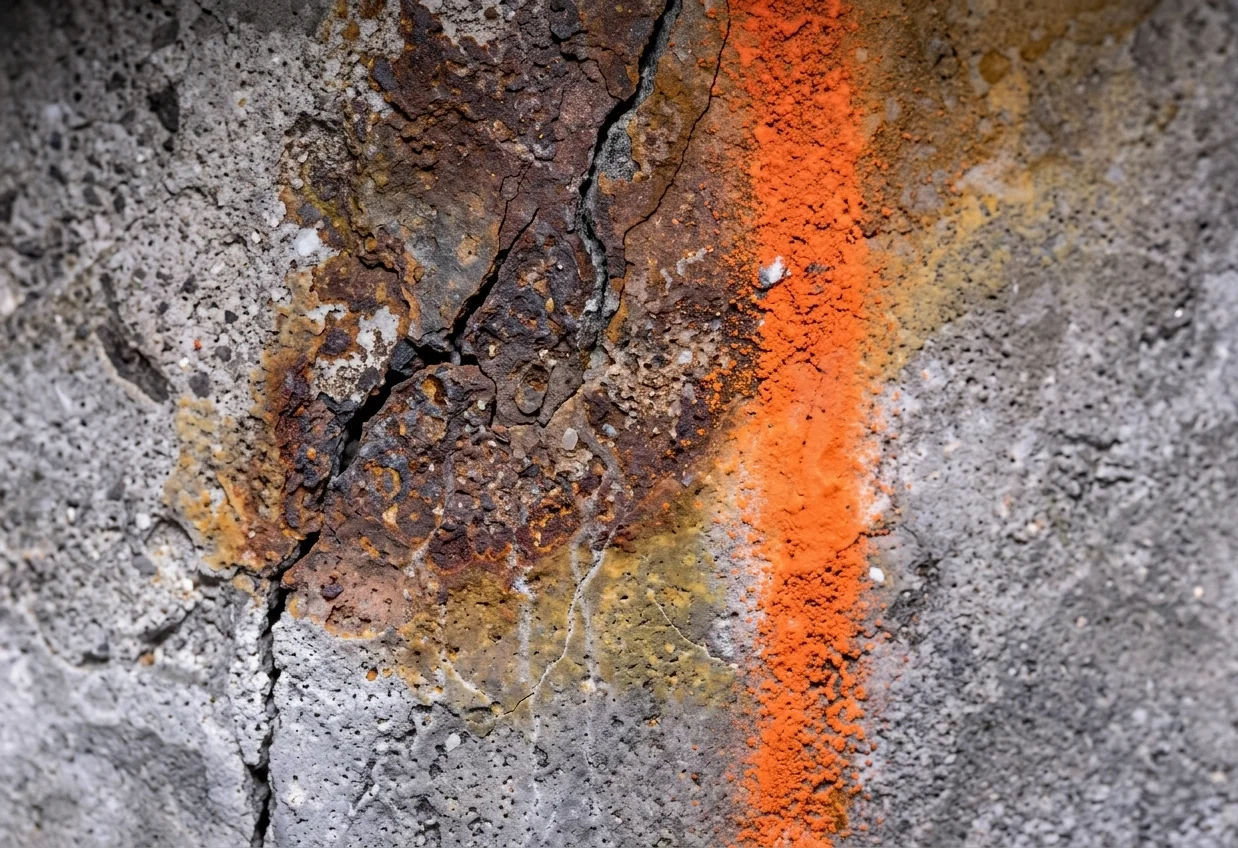
Rust
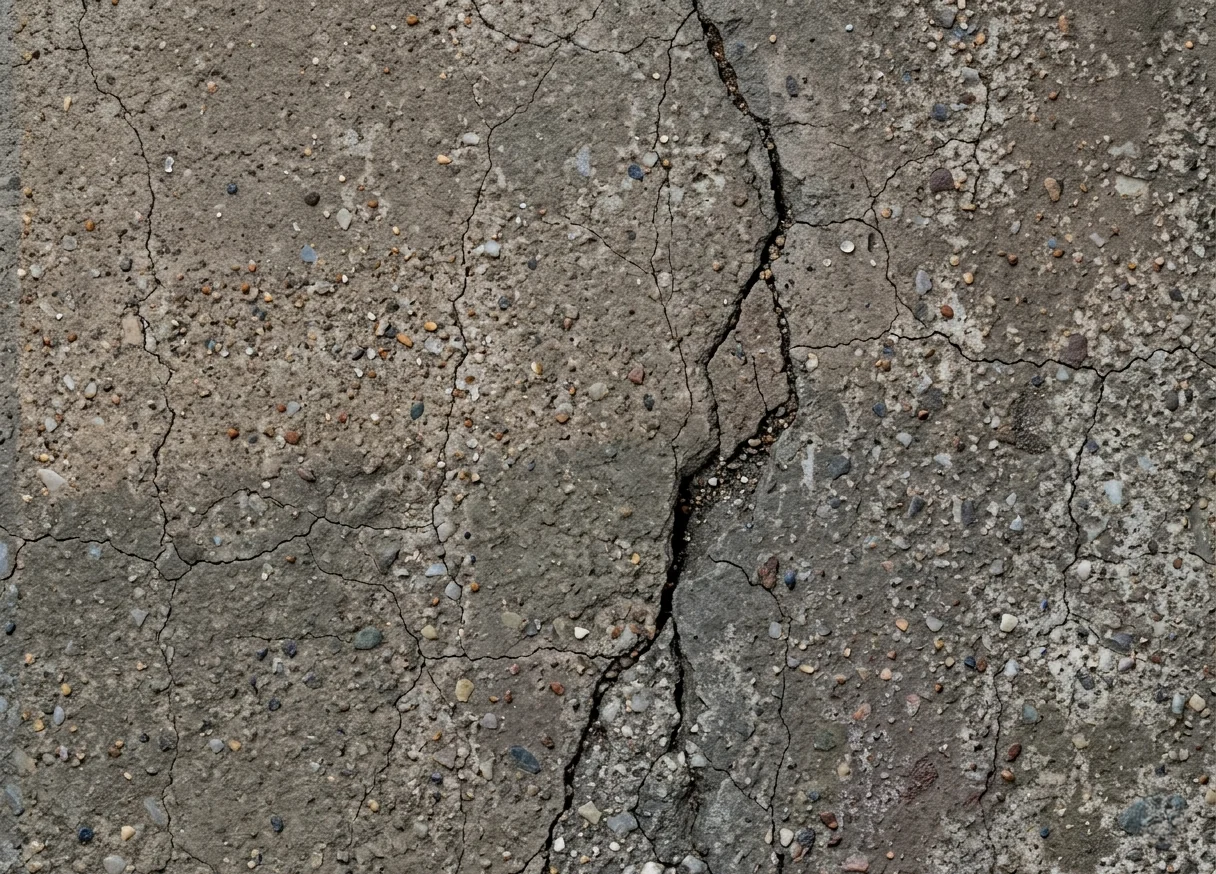
Cracks
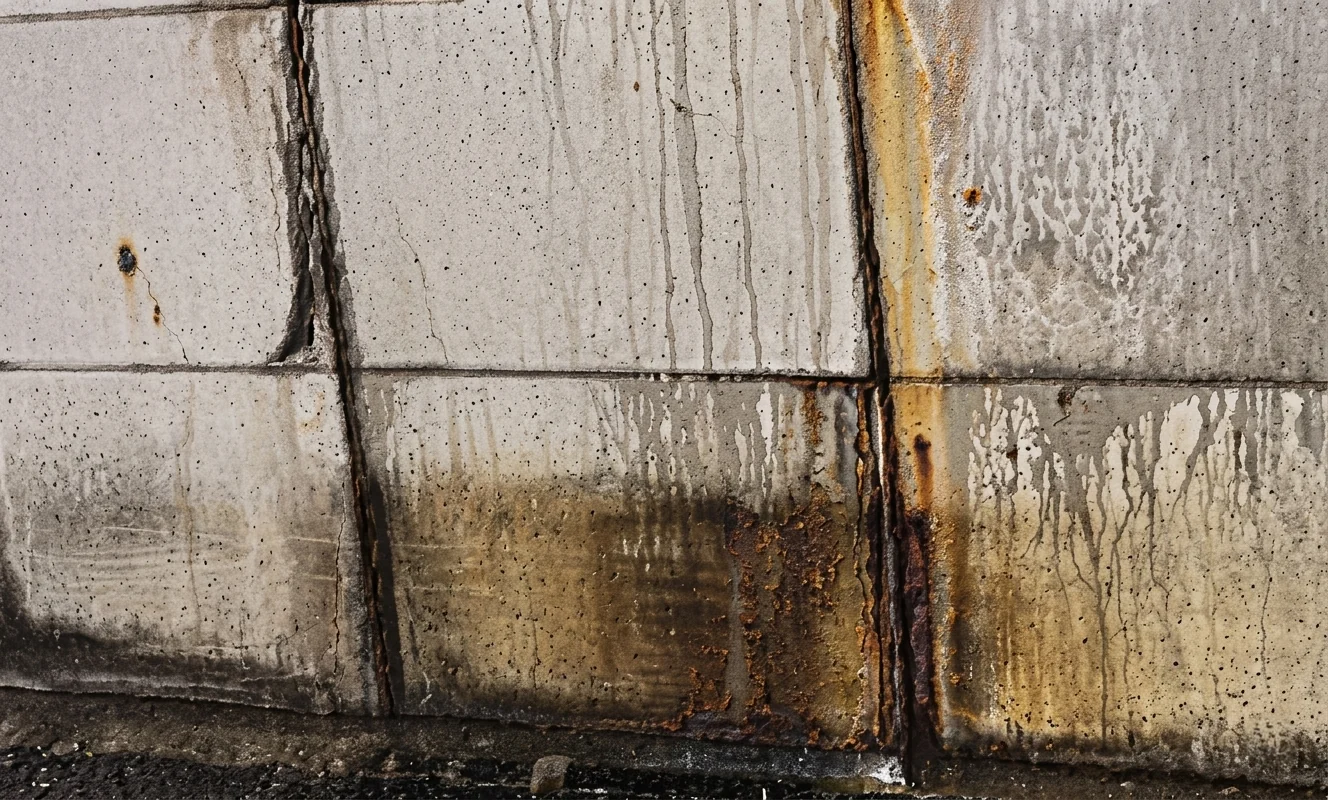
Stains
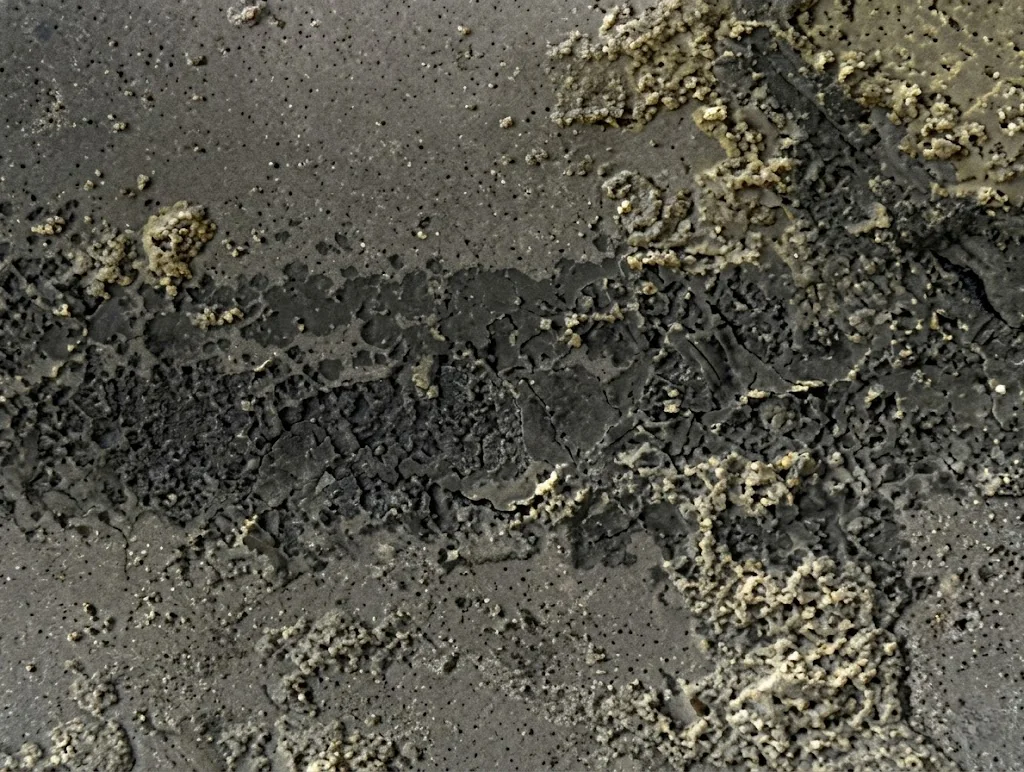
Delamination

Validated on real tunnel inspection imagery across varied conditions
Reduces reliance on manual review through tested AI-driven analysis
Enables scalable, standardized inspection across tunnel networks
Ready to scale tunnel inspection and defect intelligence?
Talk to the ApoSys team about deploying Apollo Tunnel for automated condition assessment, defect localization, and maintenance-ready reporting.